Ridgehouse builds operational instruments.

Each instrument begins as a functional object. It captures signal, interprets context, and performs a defined role. Over time, these tools interconnect and form a larger system. Every release is built for continuity, clarity, and long-term use.

View Products
PERCEPTUAL SYSTEMS

Ridgehouse is an independent systems studio.

We design and build instruments, tools, and environments that operate as complete systems. Studio work extends this practice into collaboration, shaping perception, behavior, and structure across products, platforms, and physical spaces.

Enter the Studio
Function

Systems built in partnership.

Collaborations extend the Ridgehouse methodology into new domains. Together with organizations and individuals, we design and build instruments and platforms that integrate into a larger operational system.

View More Collaborations

Film defines the Ridgehouse world.

Through moving image and narrative structure, Ridgehouse establishes identity, tone, and environment across the system. Film articulates the emotional logic behind the instruments and gives form to the larger mythology.

View Films

Experiment is where the system evolves.

New instruments and frameworks are prototyped here. Concepts are tested, refined, and pressure-checked before entering the broader Ridgehouse architecture. This is the field laboratory.

View Experiments

Subscriptions provide sustained access to the system.

Through subscription, participants receive ongoing signal from Ridgehouse, tools, updates, insights, and structured releases. This is the operational layer that maintains continuity across instruments and platforms.

MEMBERSHIP INCLUDES
More about Subscriptions

RIDGEHOUSE 1887

The Cabin

Material

Logged

Concept

ENVIRONMENT

August 5, 2026

SPATIAL NARRATIVE

Exploring how a character’s environment can move a story forward.

This experiment begins inside the remote mountain home of a woman living alone. As the viewer spends time in the room and looks closely at what surrounds her, the space gradually reveals how she lives, what she is monitoring, and what may be about to happen.

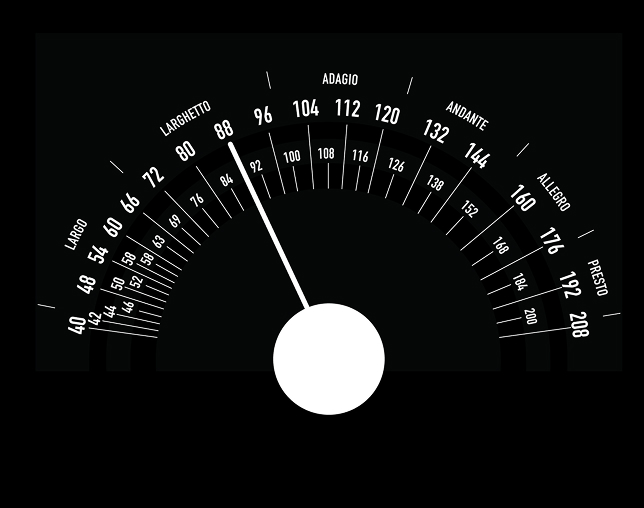
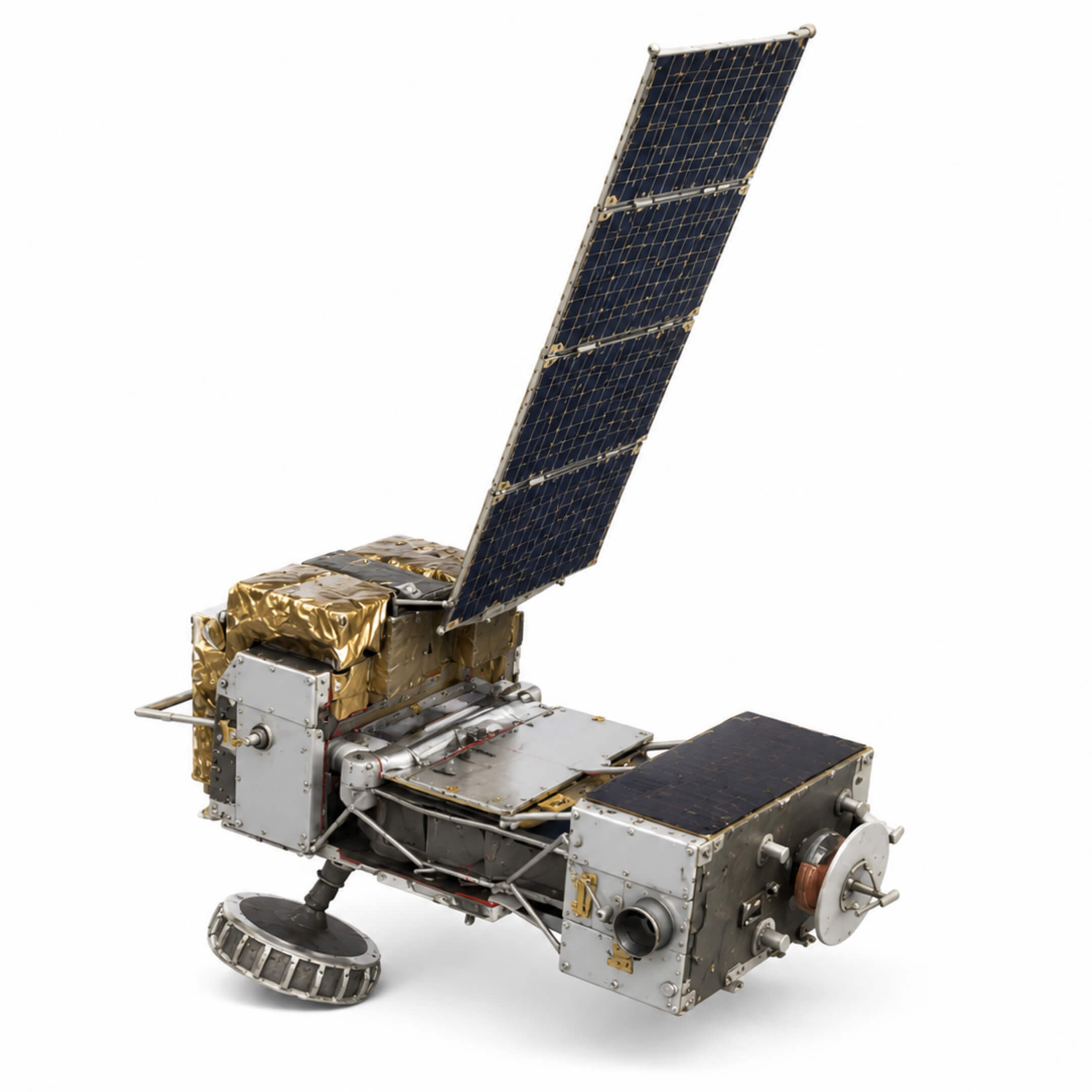
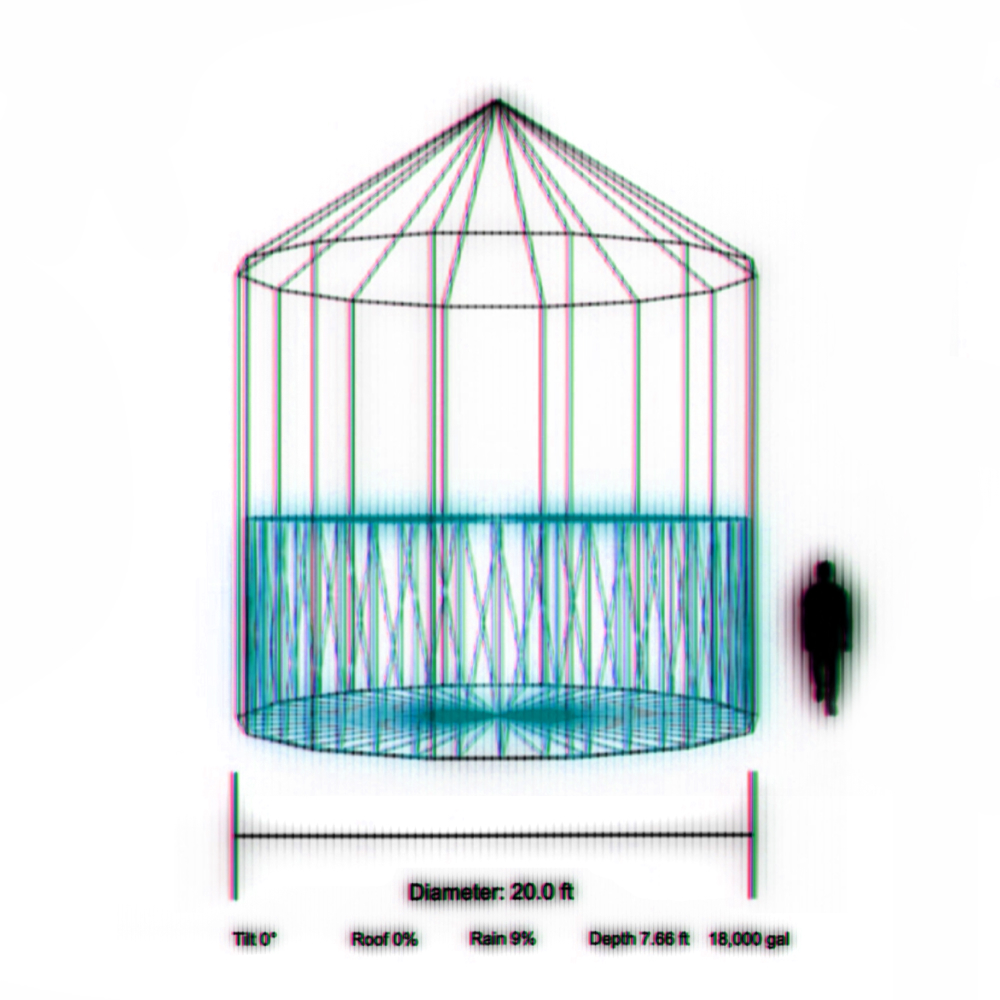
Developing the scene required a deep dive into set design, environmental storytelling, and the technology she would realistically need to live and work in isolation. We explored satellite tracking, weather radar, rainfall prediction, environmental sensors, radio equipment, orbital communications, and the improvised systems required to maintain a remote monitoring station.

Those technical elements were then considered alongside the ordinary evidence of a life being lived: books, maps, clothing, tools, furniture, personal objects, and the accumulated disorder of a space used every day.

The viewer moves through the scene by looking rather than being told where to look. Screens remain active. Steam rises from a cup. Signals shift. Small details reveal the character’s routines, capabilities, and relationship to the world beyond the cabin.

The experiment explores how a three-dimensional environment can function as a narrative scene. Instead of pausing the story for exposition, the space itself delivers it, allowing observation and interaction to carry the narrative forward.


Other experiments

Orbital Signal Relay

Applied: Exploring how organizations, devices, and infrastructure exchange information across secure networks.

Eco Perception Layer

Environmental sensing, live data streams, atmospheric visualization, ambient intelligence, physical computing

Interactive Narrative Environment

An explorable home using set design, technology, and environmental detail to reveal character and move the story.

Interactive Research Model

Organizational simulation, systems dynamics, disruption modeling, operational resilience

Interactive Installation

Handmade materials, responsive interaction, physical craftsmanship, ambient computing, tangible interfaces

Cognitive Framework

Mental models, knowledge synthesis, structured reasoning, conceptual mapping

Life Support System

Mechanical energy harvesting, resilient design, emergency infrastructure, low-tech engineering, human survival

Communication Study

Applied: Exploring communication through force, friction, rhythm, and shared physical effort.

Speculative Illustration

Applied: Exploring impossible infrastructure, imagination, and the relationship between stories, space, and technology.

Computational Experiment

Applied: Modeling how simple rules produce complex and often unavoidable outcomes.

See it in practice.

Explore the systems

Have a complex problem?

Let's talk