

Ridgehouse engages with organizations to design and build original systems, instruments, and interfaces.
Each engagement creates durable capability rather than isolated output. The goal is operational tools that extend perception, enable new forms of interaction, and establish long-term system infrastructure.
Ridgehouse integrates software, hardware, narrative, and interface design into cohesive instruments tailored to each engagement.
Engagements are limited and focused.
Engagements follow a structured systems model that moves from beginning to instrument, fast.
Orientation
Mapping the operational landscape. Identifying signal flows, constraints, and leverage points.
Design
Developing structure, behavior, and interface.
Deployment
Delivering the operational system for real-world use and continued evolution.
Outcomes
Software platforms, hardware devices, perceptual tools, experimental interfaces, or integrated environments. The result is a functioning instrument.
Ridgehouse collaborates with organizations operating at moments of transition, research, or technological expansion.
Typical partners include research institutions, technology companies, design and innovation groups, cultural organizations, and experimental labs.
Engagements suit organizations seeking original systems rather than incremental refinement.
Ridgehouse works directly with partners as a systems designer and builder, guiding projects from orientation through deployment.
Ridgehouse designs and builds original instruments.
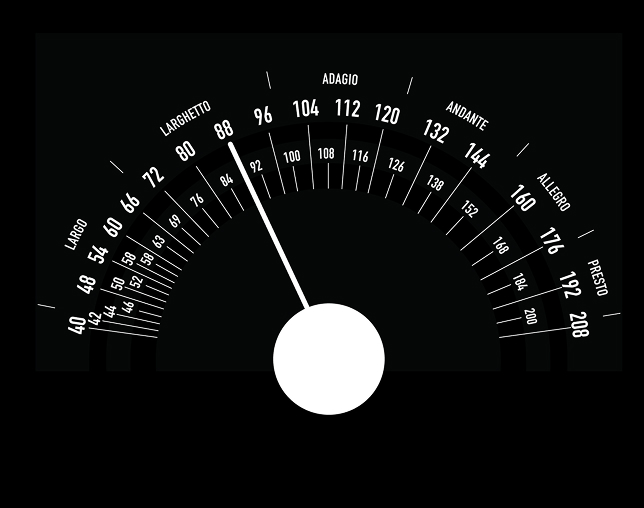
An instrument is a system that captures, translates, or reveals signal. These may take the form of software platforms, physical devices, or integrated environments.
Instrument creation includes system architecture, interface design, hardware development, and deployment.
The result is a durable operational tool designed to function independently or as part of a larger network.
Ridgehouse designs operational systems inside organizations.
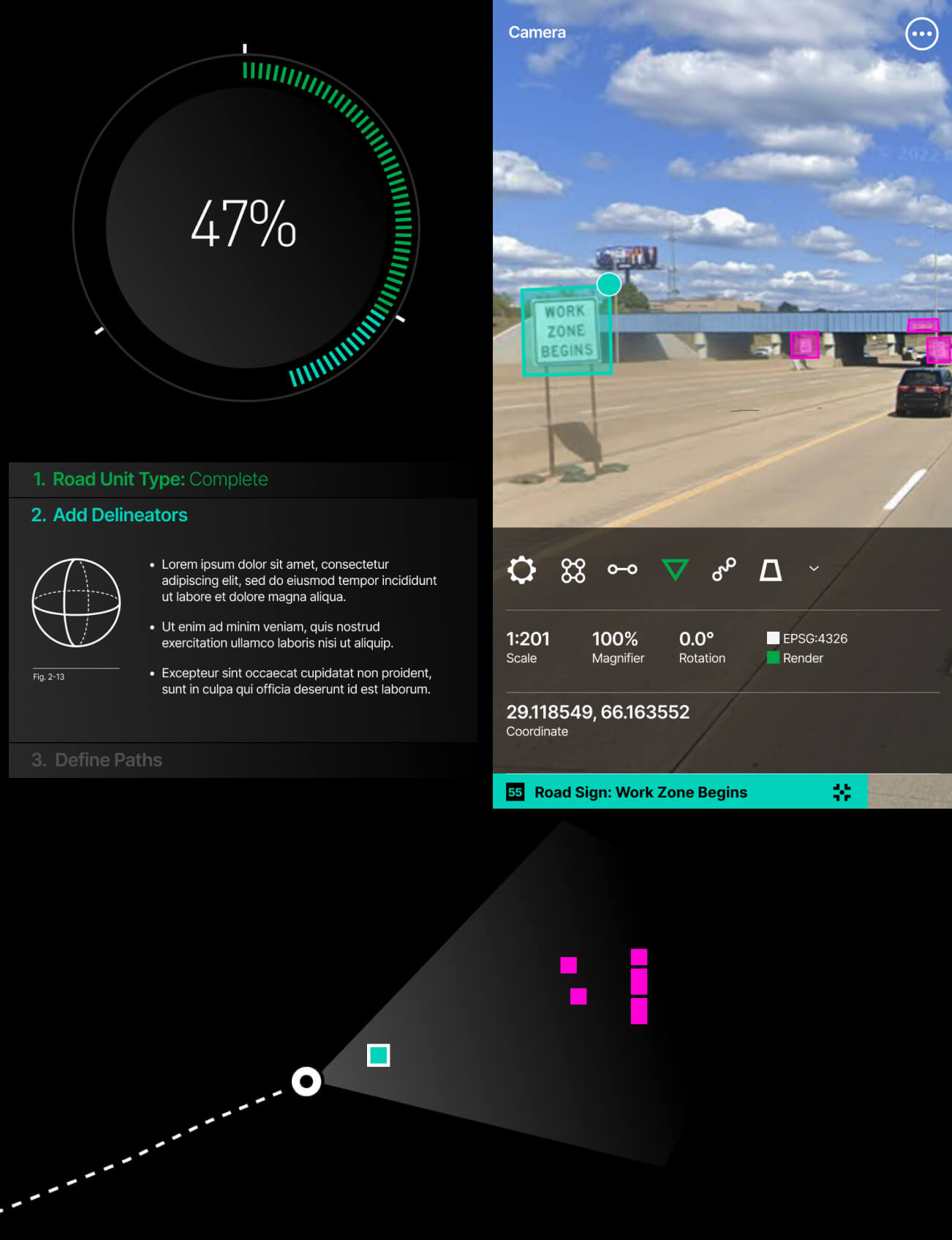
These systems structure decision-making, information flow, and coordination across teams. They may take the form of internal platforms, decision tools, operational dashboards, or custom software environments.
The goal is not output but alignment.
Clear signal, shared orientation, and durable infrastructure for how an organization operates.
Ridgehouse builds systems that make complex environments legible.
These systems translate informational, environmental, or cultural signals into structured interpretations that support perception and decision-making.
Interpretation systems may take the form of software tools, interactive interfaces, or perceptual instruments.
They function as orientation tools within complex systems.
Ridgehouse collaborates with institutions, research groups, and organizations interested in developing new instruments, perceptual tools, and system-level interfaces.
Inquiries may include:
• Institutional collaborations
• Research and experimental partnerships
• Instrument licensing
• Speaking and workshops
• Studio engagements